The eVTOL Moment: From Prototype to Certification
Three companies are on the verge of receiving type certification for electric vertical takeoff and landing aircraft.


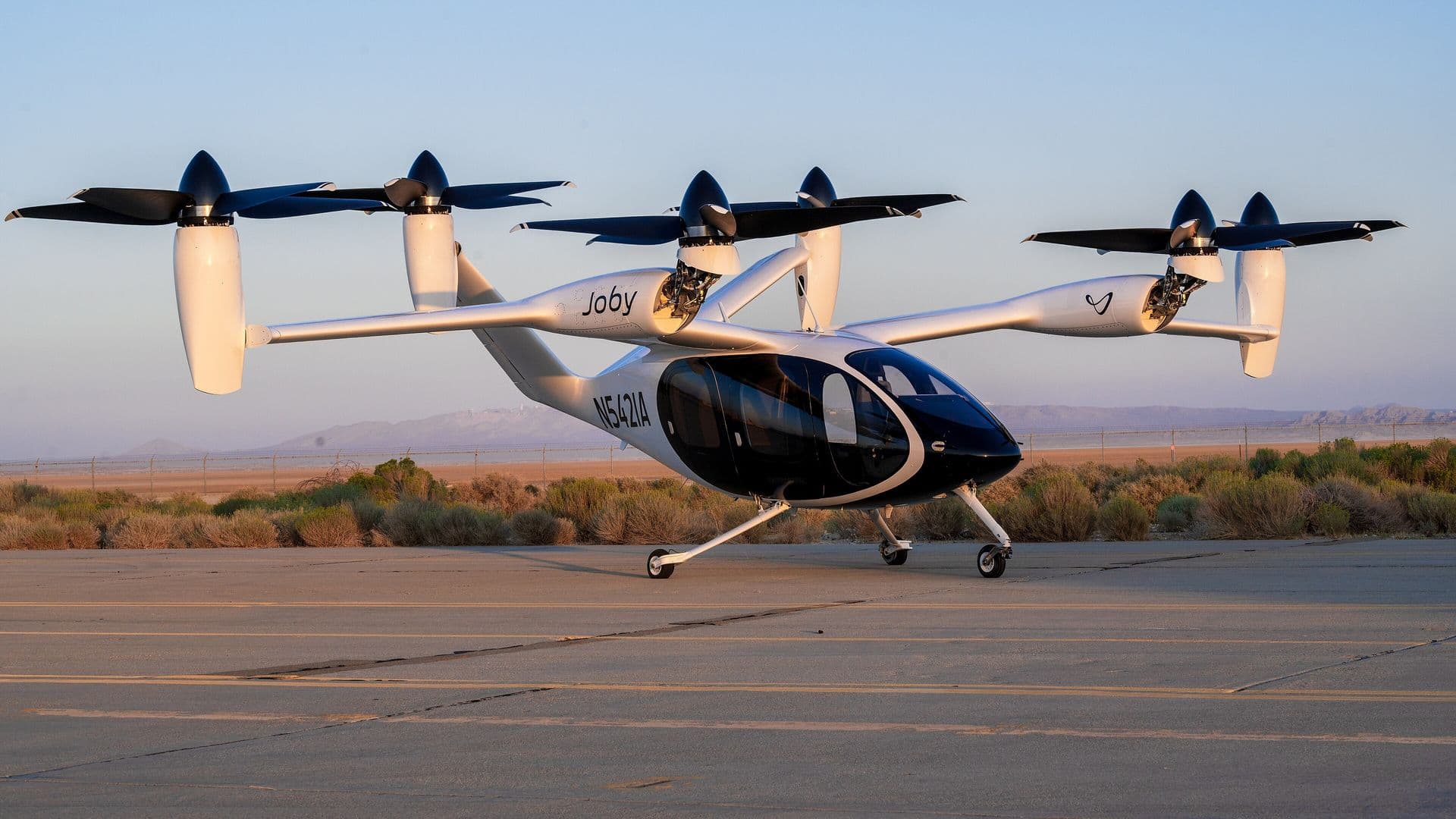
After years of promises and prototypes, the electric air taxi industry is approaching its make-or-break moment.
Path to Certification
First full-scale test flights
Multiple companies complete transition flight testing.
FAA Part 135 submissions
Operators begin applying for commercial operating certificates.
Expected type certificates
Joby, Archer, and Lilium targeting certification milestones.
The engineering question for electric vertical take-off aircraft was answered some years ago: they fly, they hover, they transition, and they do it quietly enough to change the calculus of urban operations. The question that now governs the industry is regulatory, and it is far less photogenic.
Certifying an aircraft that is neither a helicopter nor a conventional aeroplane means writing the rules alongside the design. Authorities in the United States and Europe have taken visibly different paths — special conditions applied to existing frameworks in one case, a purpose-built category in the other — and the divergence has consequences for any manufacturer hoping to sell into both markets.
The unglamorous part
Type certification is only the first of three gates. An operator needs its own approval to fly commercially, and the aircraft needs a production certificate before it can be built at rate. Manufacturers who have flown full-scale prototypes for years remain some distance from all three.
Beyond the aircraft sits the infrastructure question. Vertiports require electrical capacity that many urban sites do not have, approach and departure paths that air traffic control must accommodate, and a noise footprint that local authorities will accept. None of that is solved by a better battery.
What early service will look like
The realistic first act is narrow: fixed routes between an airport and a city centre, flown by a pilot, on a schedule, in good weather. Autonomy, dense urban networks and the economics that make eVTOL competitive with ground transport all belong to a later phase that depends on volume nobody has yet produced.
For business aviation the near-term relevance is the last leg rather than the whole journey — moving a passenger from a private terminal to a city rooftop, replacing a helicopter transfer at lower noise and, eventually, lower cost.