Navigating the New Airspace
A candid conversation with the CEO of Global Wings on the future of fractional ownership.

The private aviation market has seen unprecedented volatility over the past five years. To understand where the industry is heading, we spoke with Sarah Jenkins, CEO of Global Wings.
The jet card model is evolving into something far more sophisticated — think of it as aviation-as-a-service.
European airspace is being rebuilt while it is in use. The long-running effort to replace a fragmented patchwork of national control areas with something closer to a single operating environment has produced incremental gains, persistent political friction, and a set of practical consequences that operators feel as delay.
For business aviation the effects are asymmetric. Scheduled traffic moves in predictable flows that planners can model. Ad hoc traffic — a charter filed the previous evening into an airport with constrained capacity — absorbs whatever flexibility is left after those flows are accommodated.
Capacity is a staffing problem
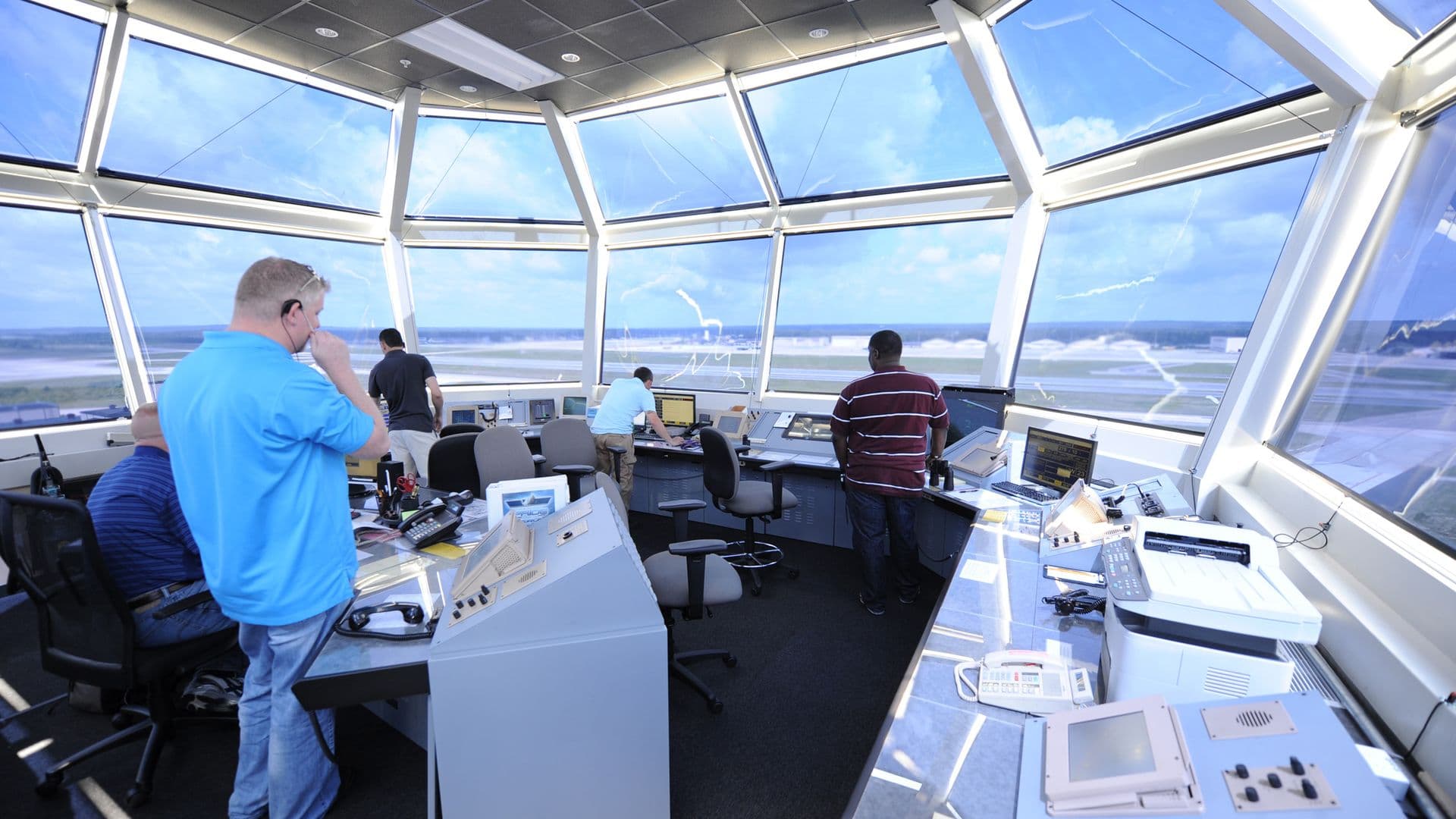
Most delay attributed to airspace design is in practice a controller availability problem. Training a controller takes years, the pipeline was interrupted, and demand recovered faster than the workforce. No amount of route redesign compensates for sectors that cannot be opened.
The mitigation available to operators is unglamorous: file early, build realistic ground times at congested airports, and accept that the cheapest slot is not always the one that gets the passenger there first.
What actually changes the picture
Two developments matter more than the headline reforms. Free route airspace, now implemented across large parts of the continent, allows direct routings that shave measurable time and fuel from mid-length sectors. And digital flight planning integrated with real-time capacity data lets dispatchers reroute around constraint rather than queue for it.
Neither is visible to a passenger. Both are the difference between a schedule that holds and one that does not.